Edge AI Systems
Intelligence at the source. Compact, energy-efficient AI that runs on-device — bringing real-time decisions to the edge without cloud dependencies.
Where code evolves into care, and biology meets intelligence.
Bioxbinary is an independent lab exploring the frontier where AI and edge computing meet assistive technology. We build real hardware and share the firmware, local-first protocols, and research notes openly.
Tangible, open-source assistive devices engineered for local-first reliability. No cloud lock-in, zero subscription gates.
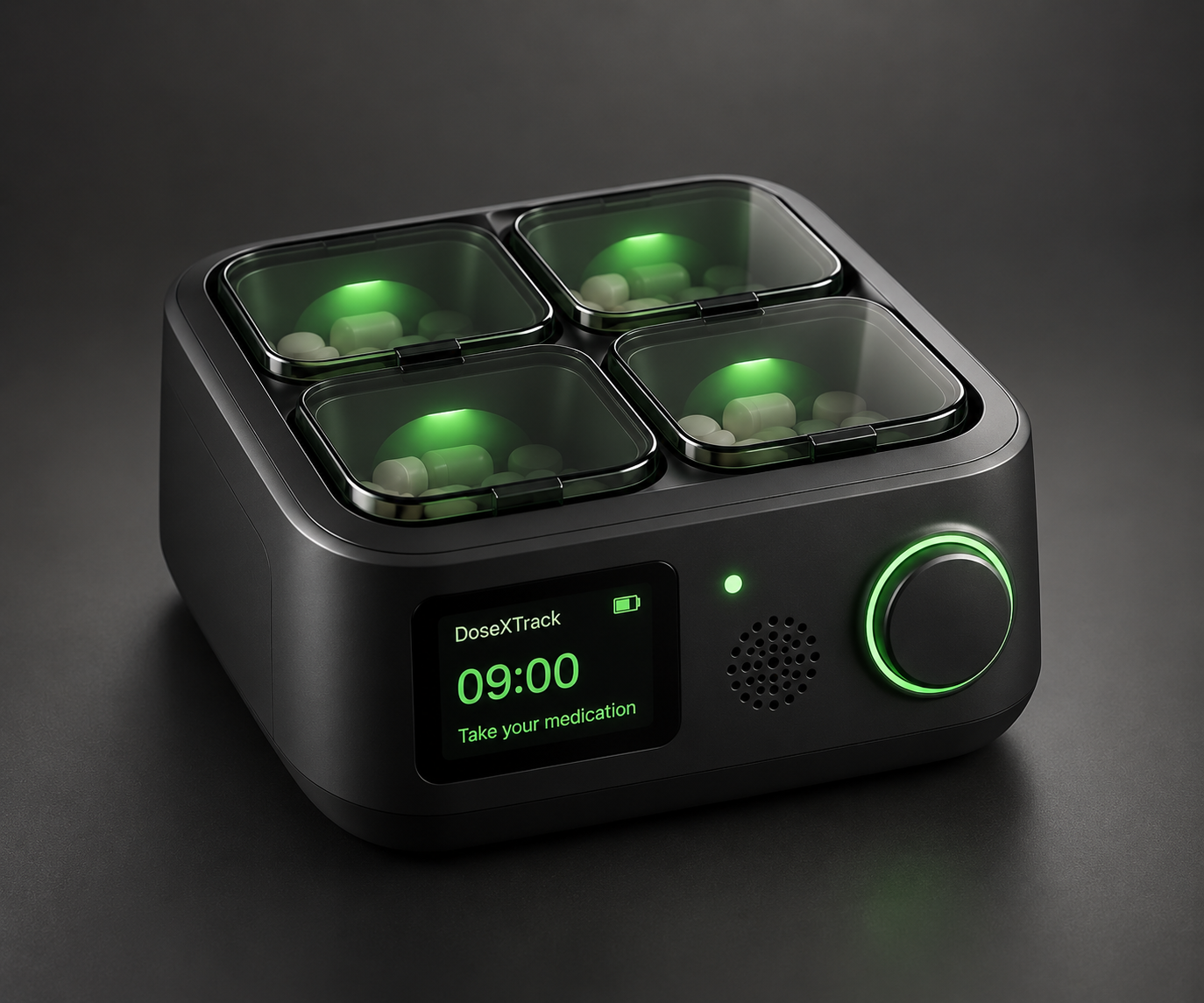
A smart medication-monitoring system pairing an ESP32-driven dispenser with a real-time web dashboard over MQTT. Designed to grant independence to individuals managing strict schedules while giving caregivers verifiable peace of mind.
An end-to-end local-first topology designed for absolute data autonomy, high fault tolerance, and zero external dependency.
ESP32 dual-core microcontrollers running FreeRTOS. Low-power sensors, hardware interrupts, and mechanical actuation.
ESP-IDF · C/C++ · GPIODeterministic MQTT broker routing high-frequency sensor readings and dispatch acknowledgments under 15ms.
Mosquitto · QoS 1 · WebSocketsLightweight anomaly detection algorithms running on-device to flag missed cycles without leaking personal data.
Quantized ML · Zero CloudClean, accessible web interface streaming live telemetry directly from local brokers. Offline-capable.
Vanilla JS · Reactive StreamsIntelligence at the source. Compact, energy-efficient AI that runs on-device — bringing real-time decisions to the edge without cloud dependencies.
Assistive devices that restore autonomy, foster independence, and empower individuals with disabilities and older adults through dignified technology.
Grow smarter, sustain longer. Re-imagining environmental systems through micro-climate monitoring, autonomous hydroponic dosing, and multi-sensor telemetry.
Technology guided by conscience — ethical reasoning and local-first data protection embedded in every design, safeguarding user dignity.
Technical observations, firmware decisions, and design lessons learned while building in the open.
Bench-testing latency and power consumption on the ESP32 under intermittent Wi-Fi conditions. Why lightweight pub/sub with QoS 1 guarantees critical delivery.
Read technical notes →Medical devices often look cold, sterile, and clinical. Lessons learned from creating soft, friendly 3D-printable PETG forms that children feel proud to keep on their desks.
Read design philosophy →How we design assistive architectures that function 100% offline, storing medication logs locally without centralized cloud servers or subscription locks.
Read privacy framework →No sales funnels, no investor pitch decks — just open engineering. If any of this resonates with you, or you want to build alongside us, you are welcome here.
Read the firmware, examine circuit pinouts, open issues, or submit a pull request. Everything lives in public repositories.
Caregivers, occupational therapists, and makers: your real-world feedback directly shapes what features get prototyped next.
Test our open APIs, integrate MQTT sidecars, or contribute agentic tools designed for embedded IoT maintenance.